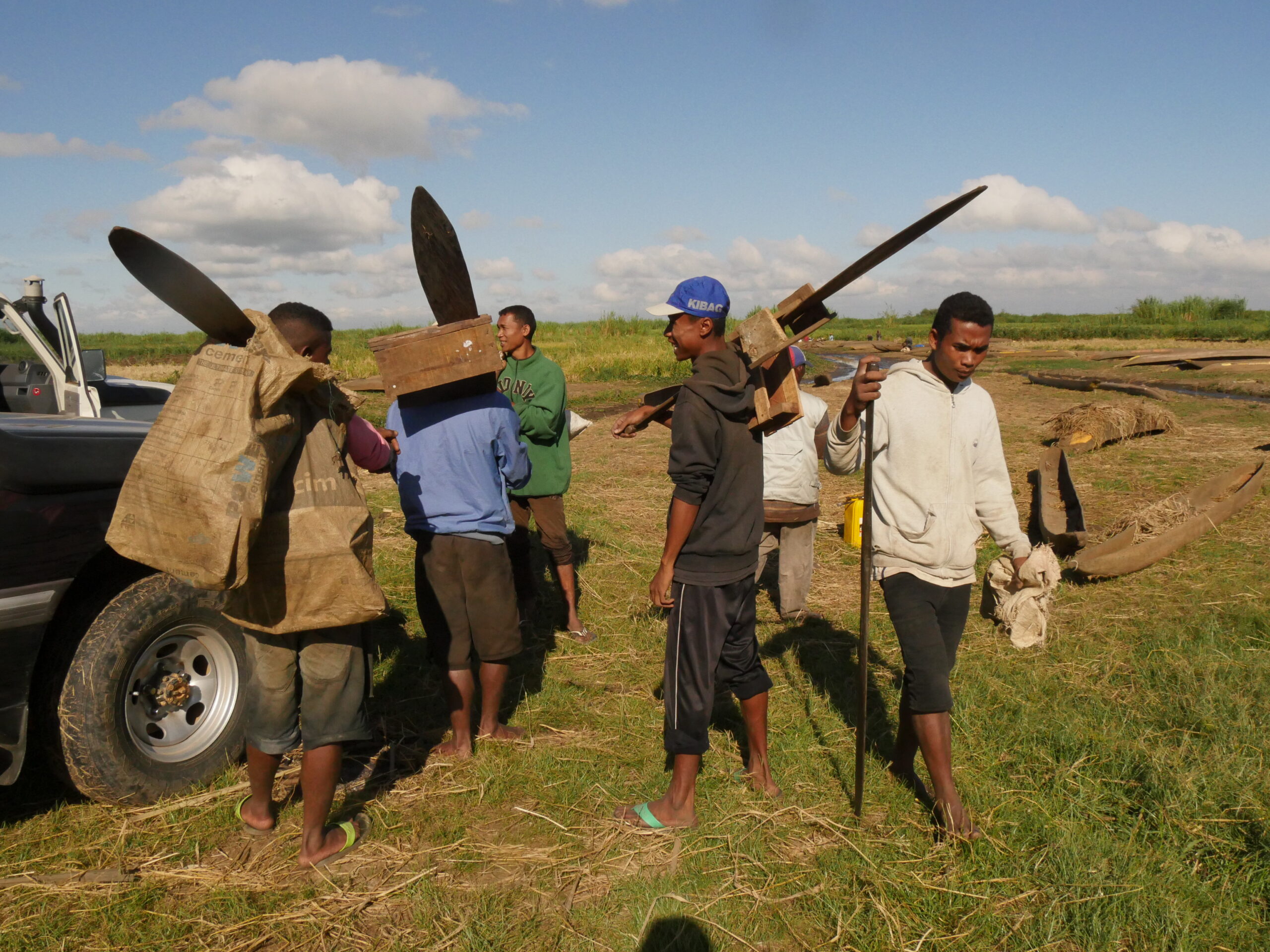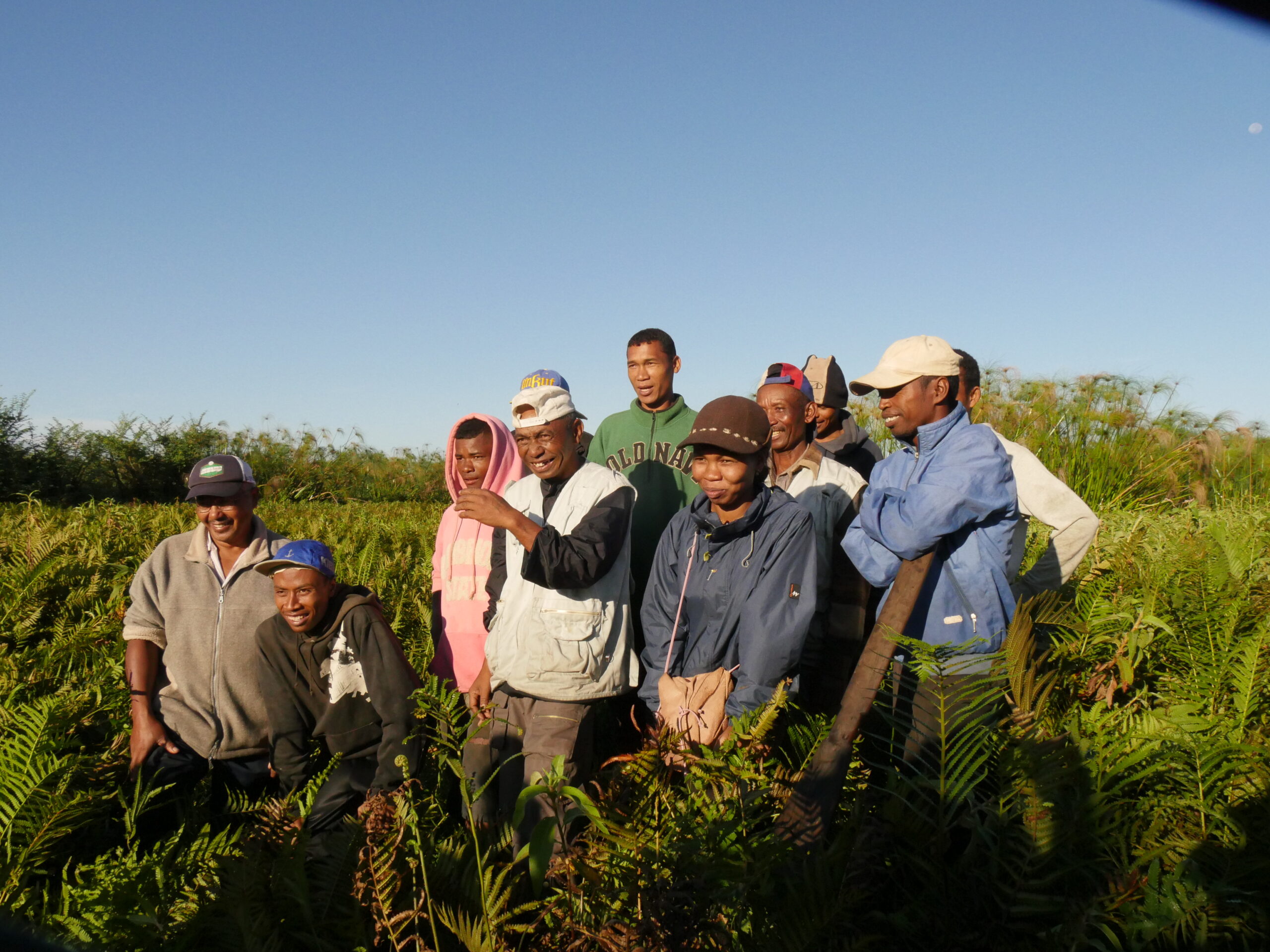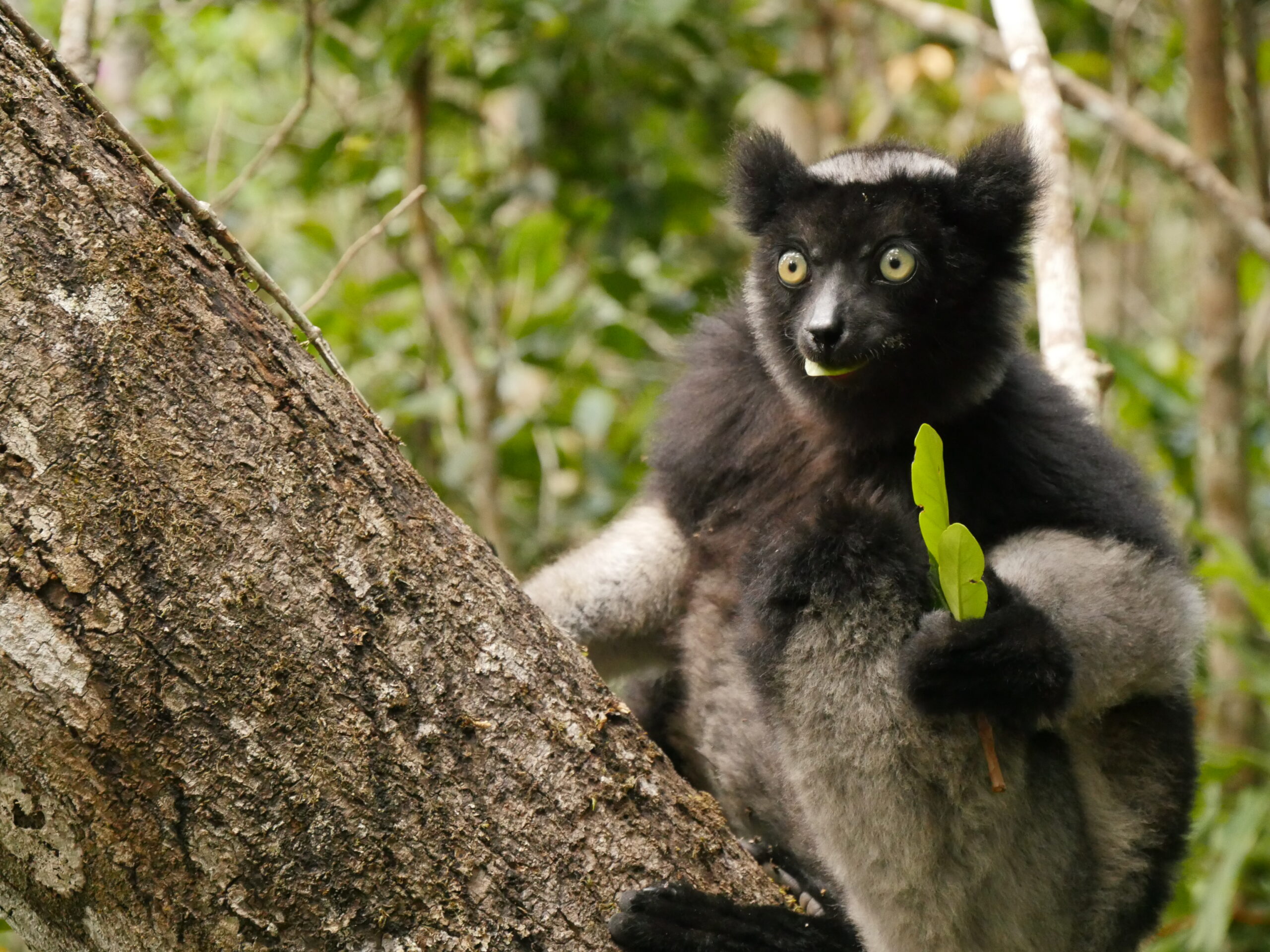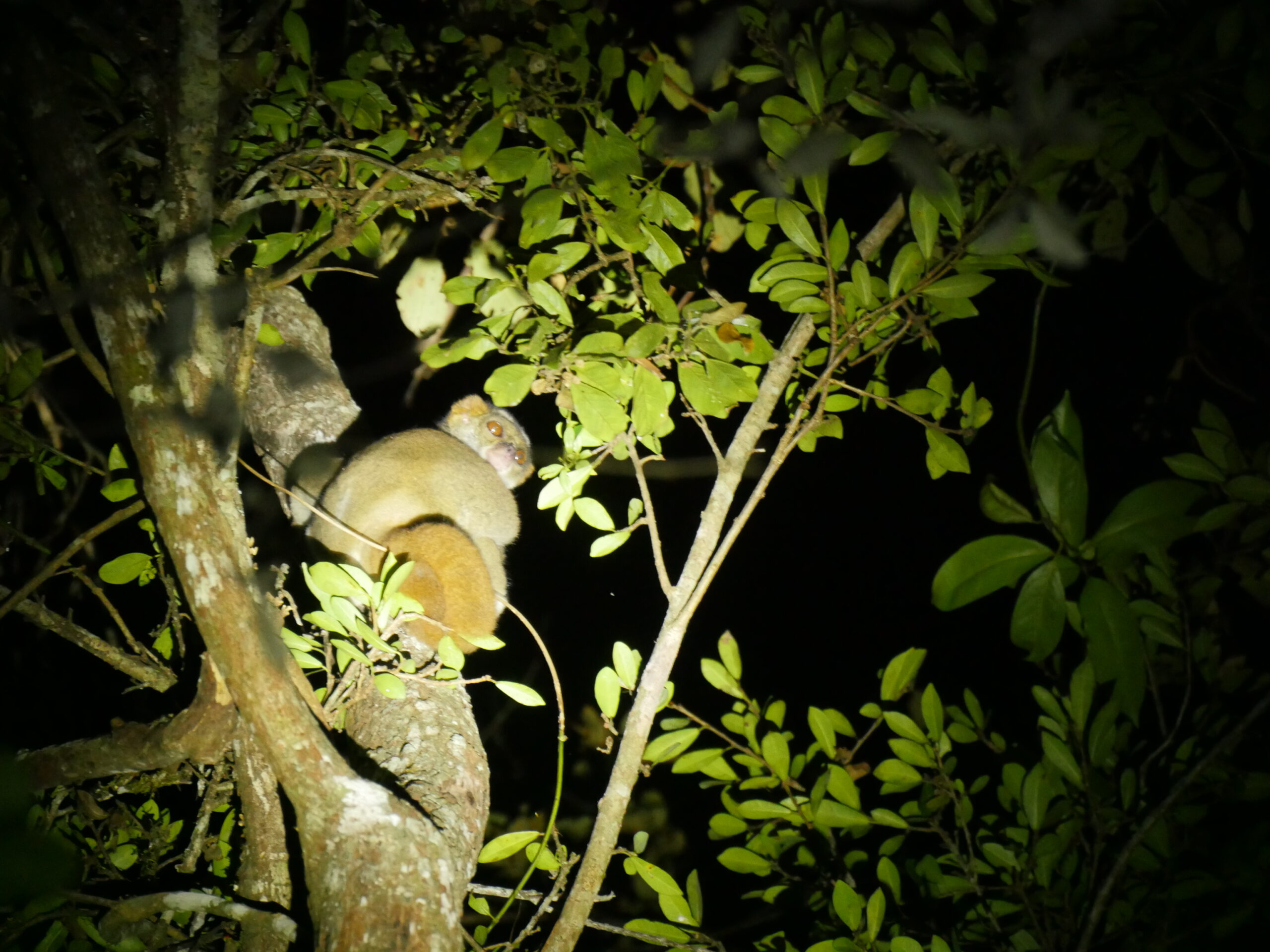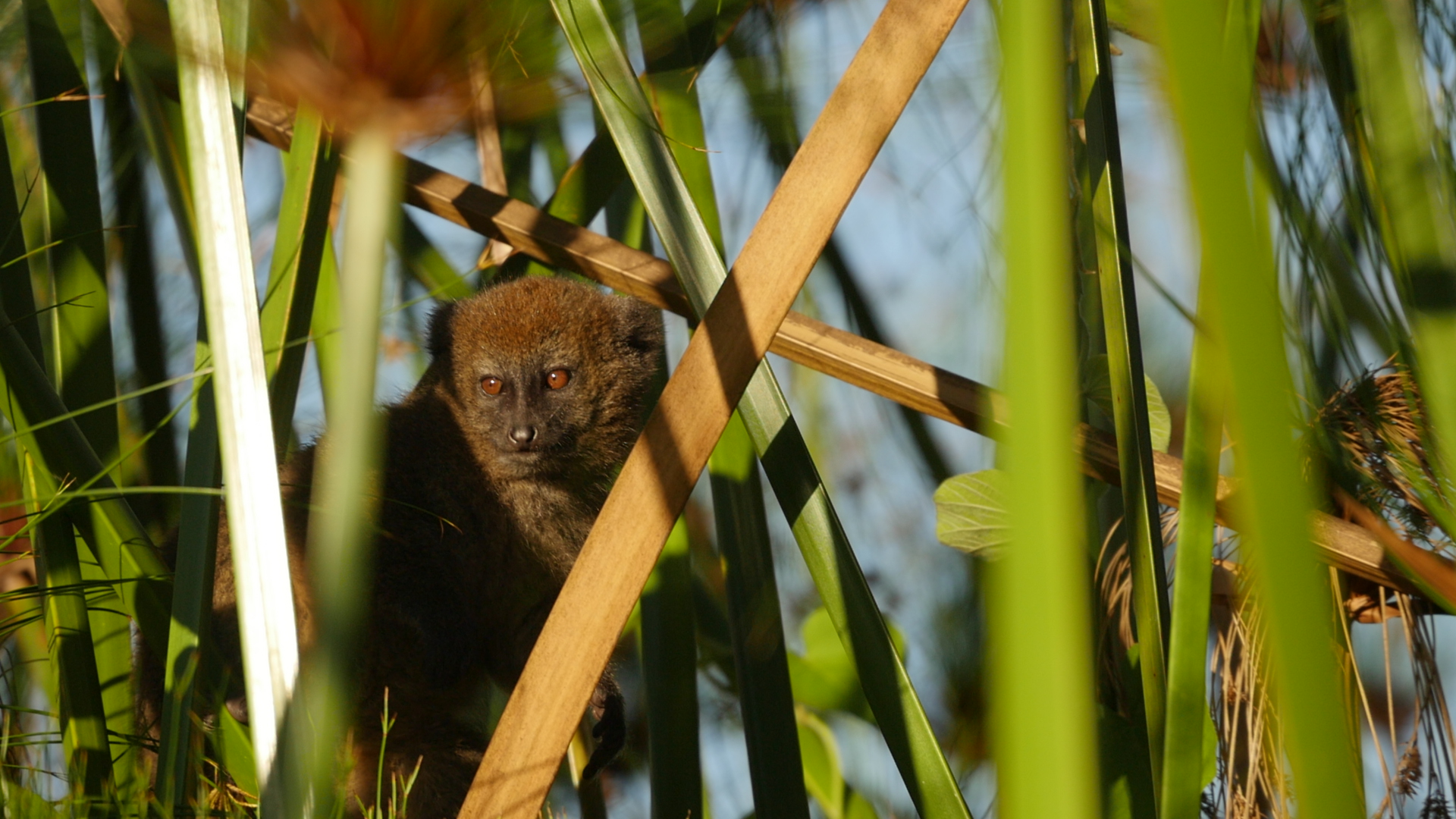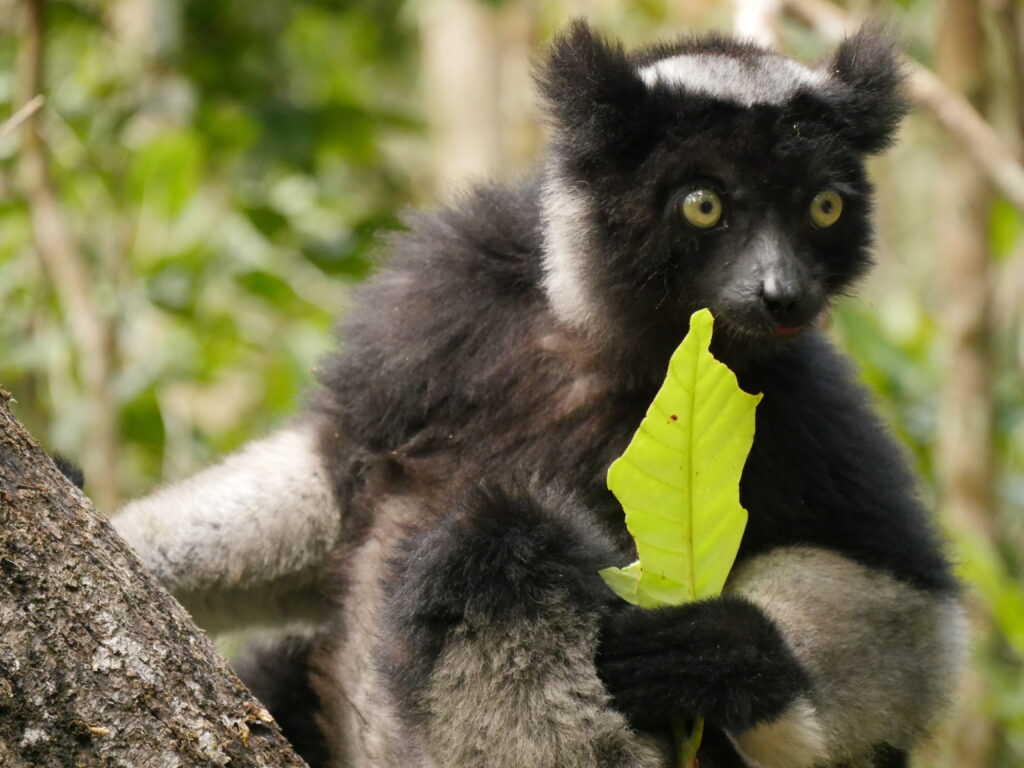
It’s not that they’re endemic and mostly close to extinction because of humans, actively or inadvertently killing them. It’s the fact that there’s 115 different kinds of lemurs.
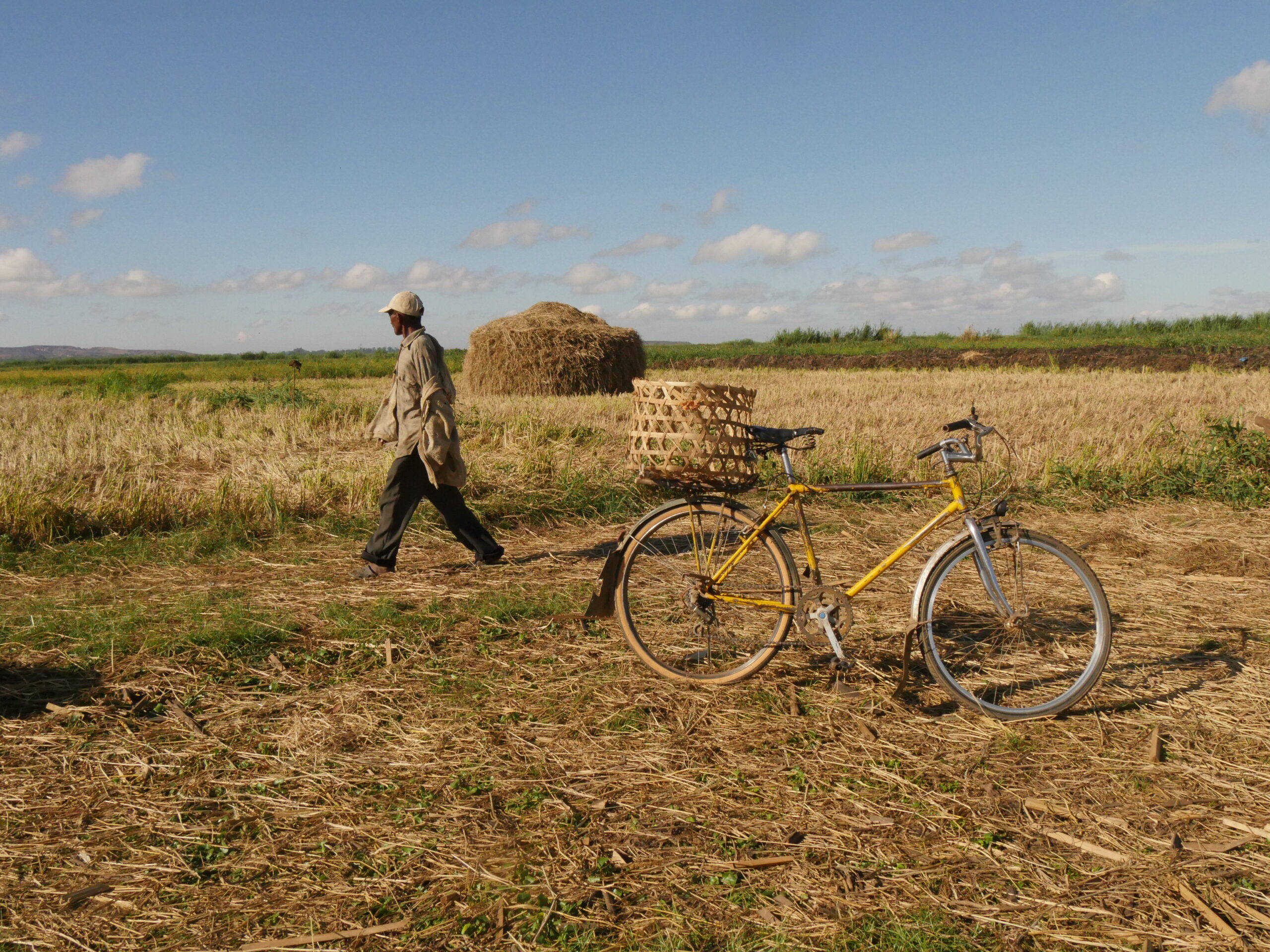
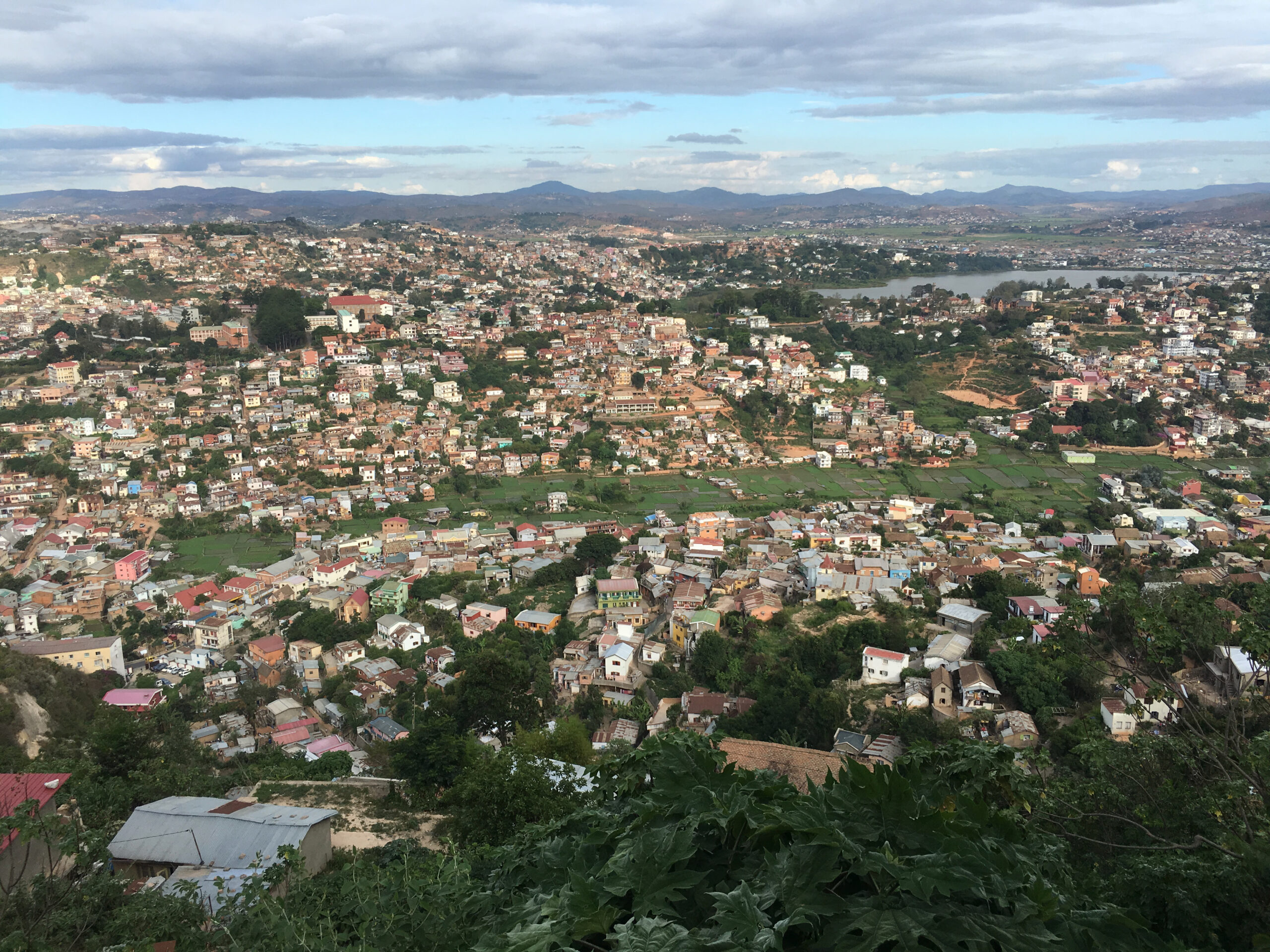
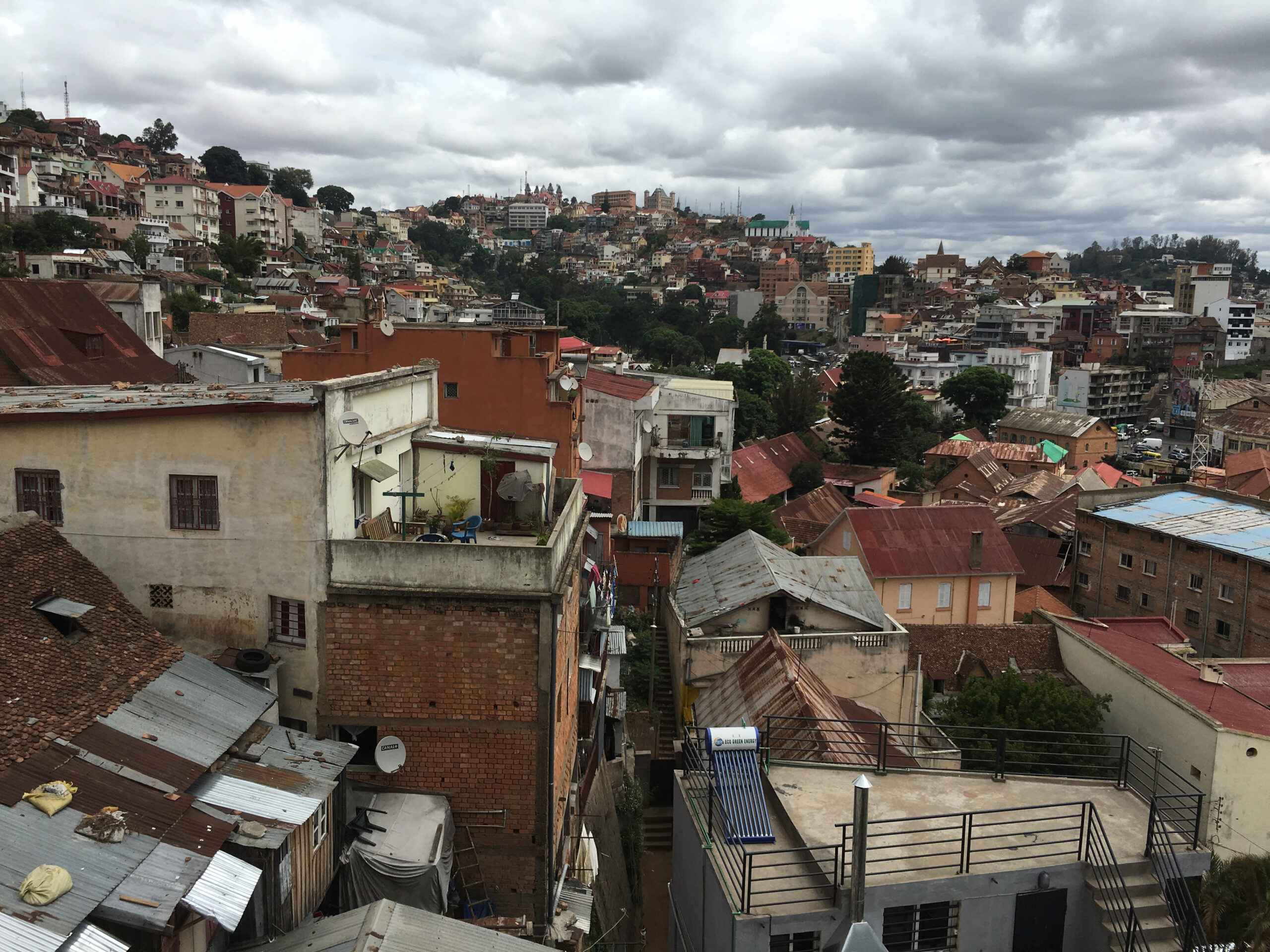
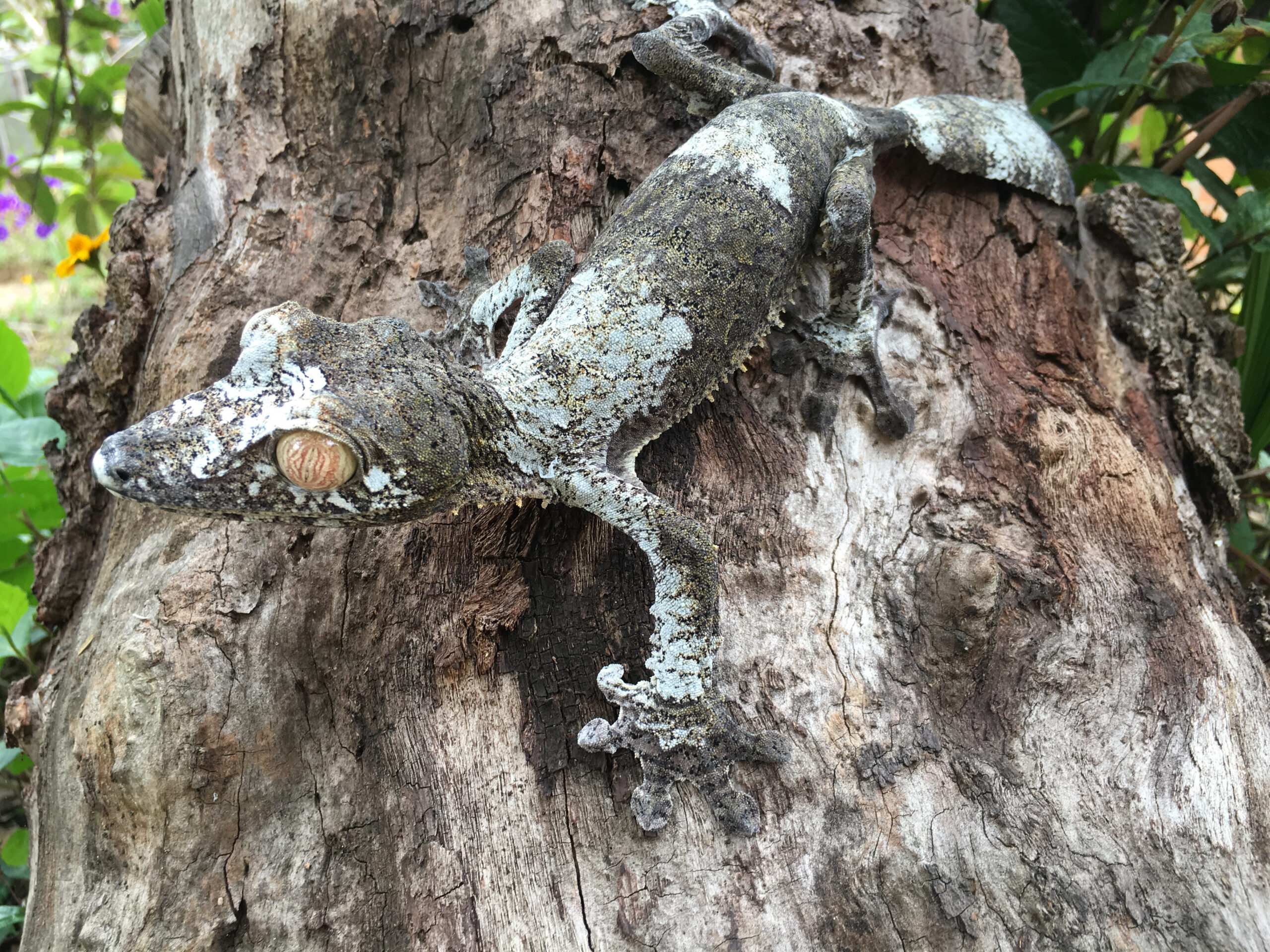
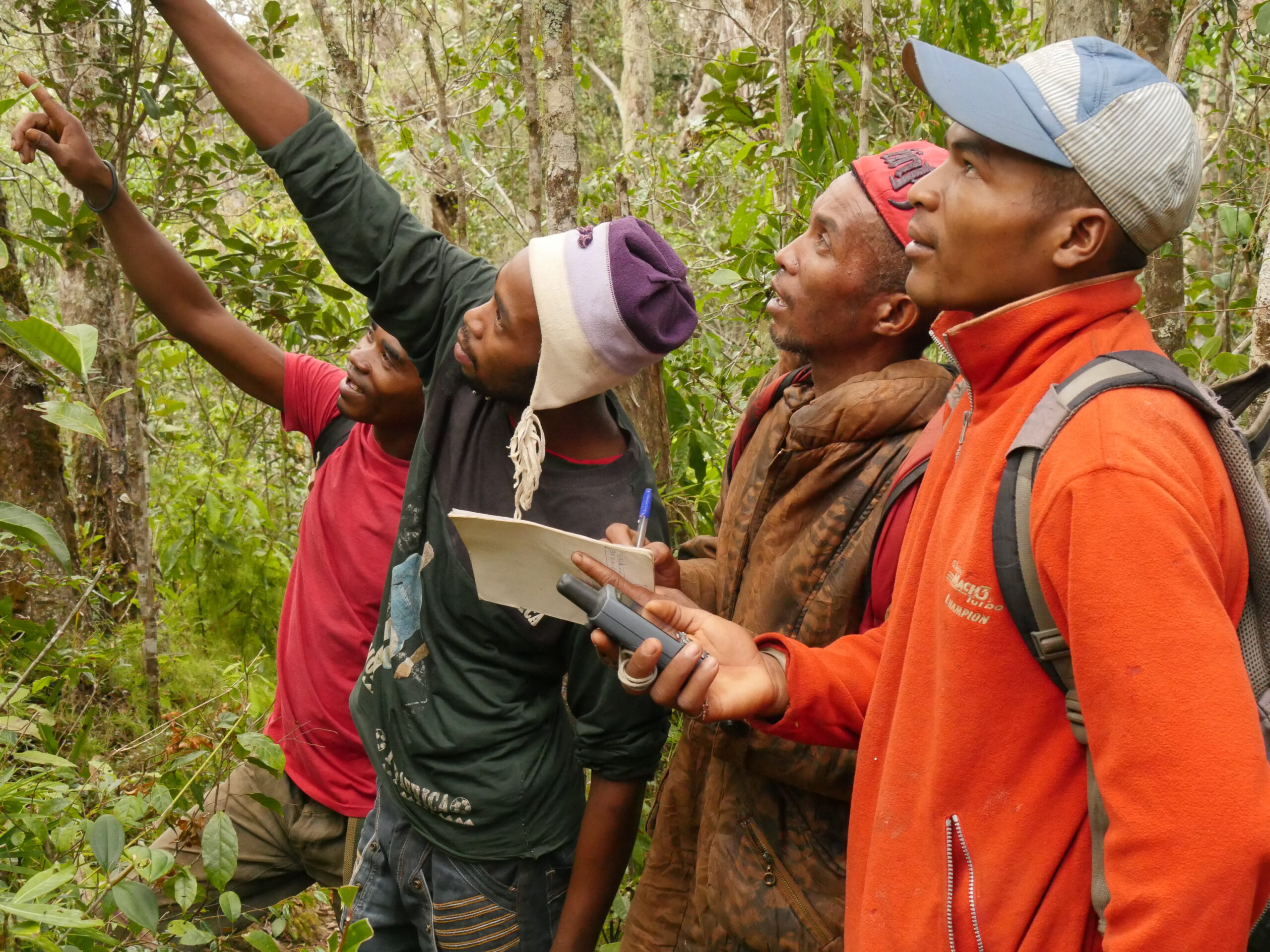
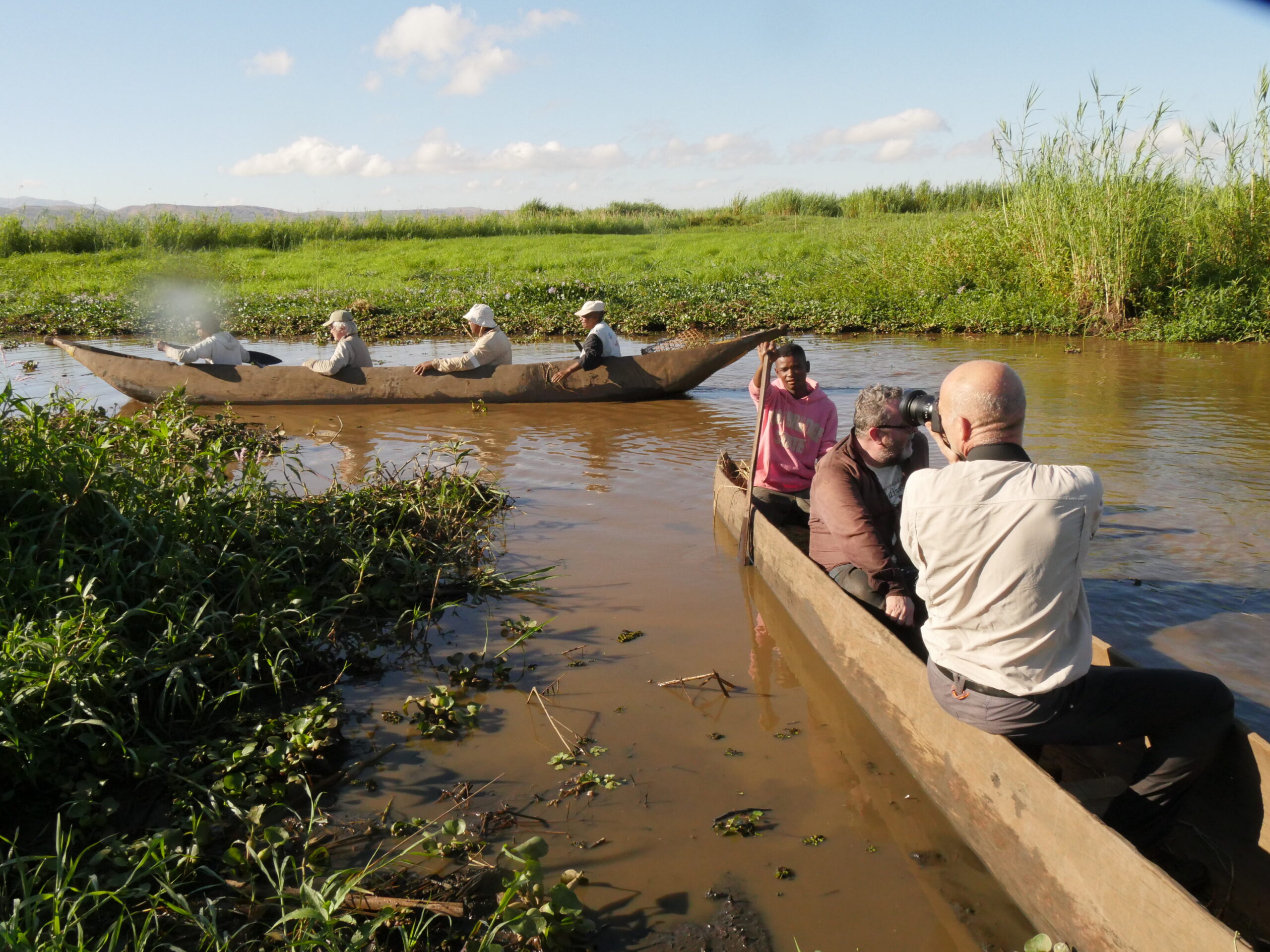
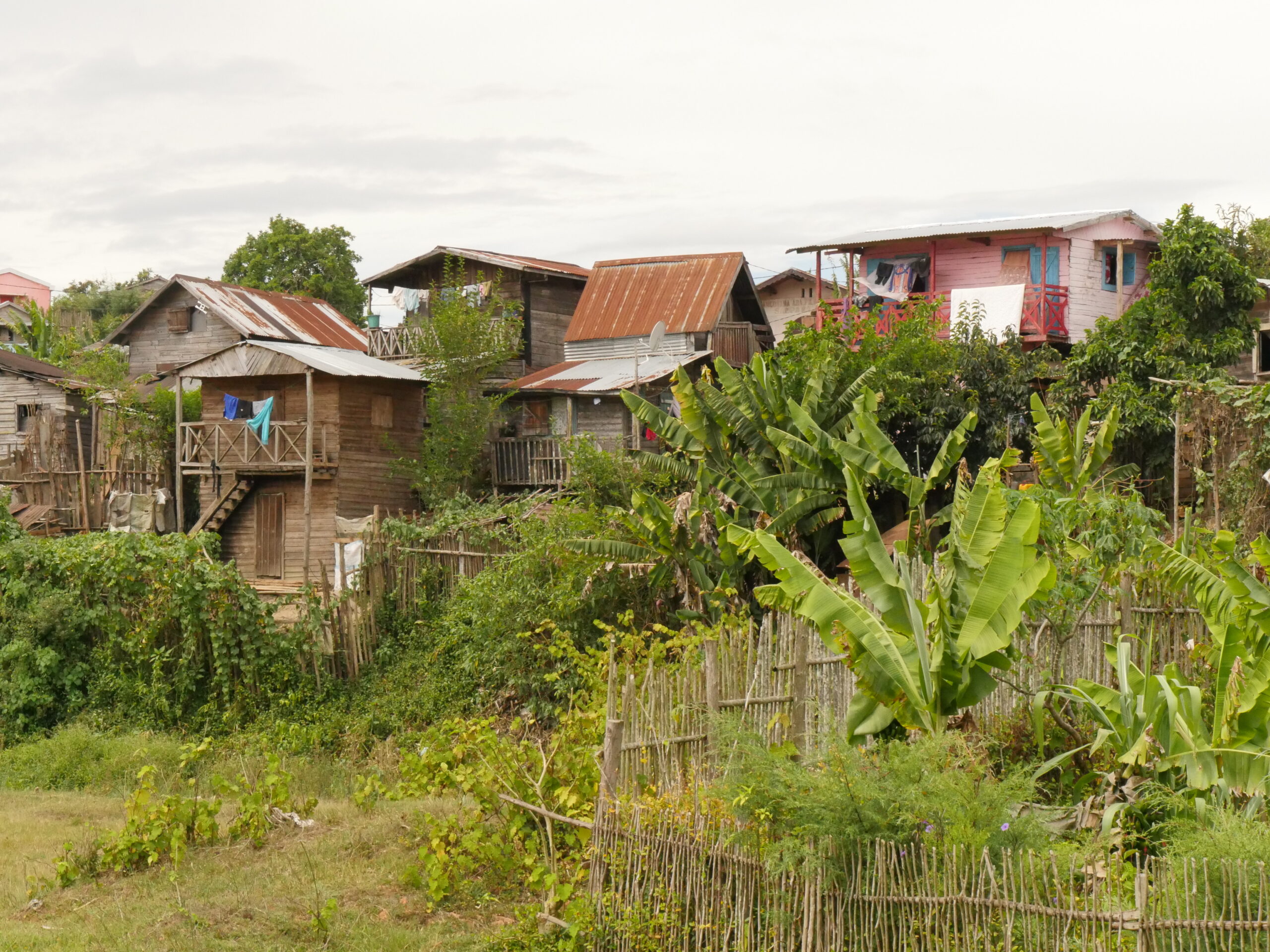
All evolved on an island the size of France. Some sing, some are tiny, some hop, some are nocturnal, some have pale blue eyes, others have ring tails. Visiting for 4 weeks to help launch the largest coordinated lemur conservation initiative ever was an honour and a privilege. Madagascar is the kind of place that woulda coulda if it was given half a chance. But a perfect decades long storm of human behaviours have decimated it through corruption, deforestation, lack of economic opportunity, lack of infrastructure, a young population poorly educated and with perhaps more urgent considerations than protecting this island’s wonderful wildlife. It’s not just lemurs that make Madagascar special: some of the chameleons and tortoises stole my heart.
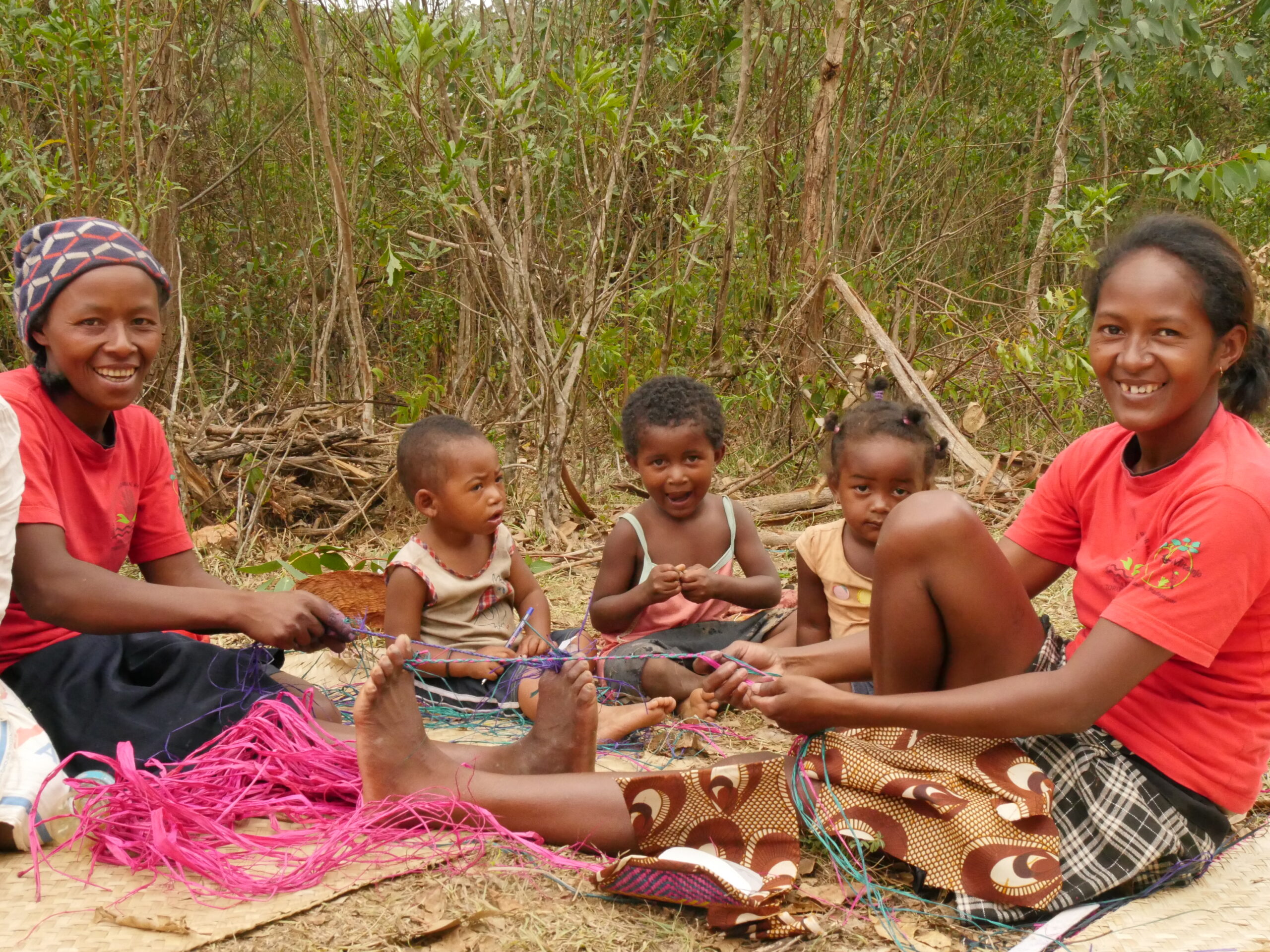
And as nearly always in conservation, success depends on local communities being part of the solution. In Madagascar the socio-cultural history of the Malagasy is fascinating: apparently a people originating across the Indian Ocean and local lore often considers lemurs as sacred species. What interesting contradictions. Perhaps older traditions are being slowly forgotten in the face of pragmatism.
But all hope is not lost. There are numerous locally born initiatives to protect nature, engage youth in the process and to support a balanced and thriving Madagascar. I hope to return soon too: I learned the Rudby team are called the Maki (a local name for the ring-tailed lemurs).
My dream is to bring them to the Rugby World Cup, putting them, Madagascar and the lemurs on the world stage for all to support.